Who Can Legally Test Your Backflow Device in BC
The BC Cross-Connection Control Tester certification, why purveyors require it, and how a certified backflow tester files the report with your water utility.
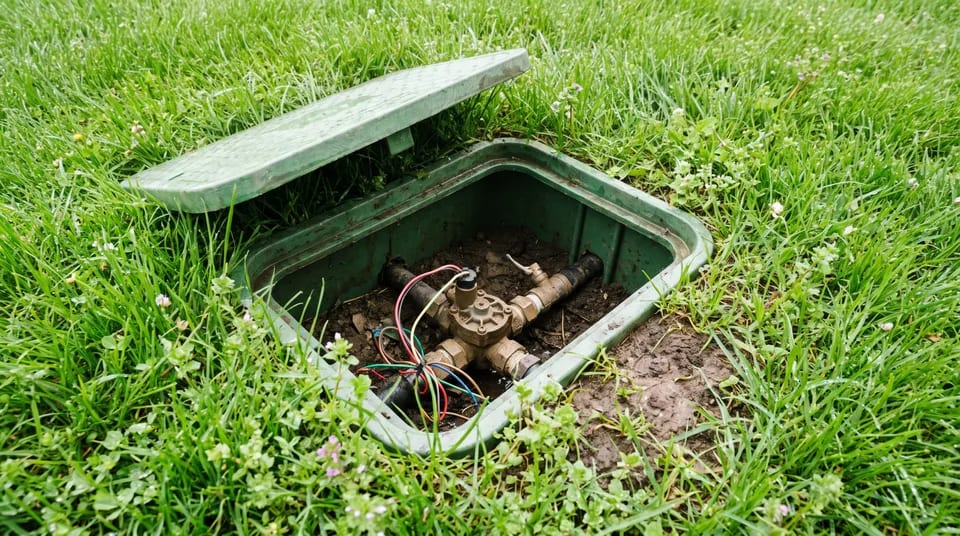
Anyone can own a test kit. Very few people can produce a report that closes out your annual requirement with the City of Kelowna, the City of West Kelowna, the District of Lake Country or any of the improvement districts in between. That gap — between having the equipment and having the recognised credential — is what makes backflow tester certification in BC matter more than it looks, and it is the reason 'who can test backflow' is not a casual question.
What the certification actually is
The credential BC water purveyors look for on cross-connection control test reports is the Cross-Connection Control Tester ticket, most commonly the one issued through the BC Water and Waste Association. It is a formal course-and-exam certification covering the physics of cross-connections, device types and configurations, testing procedures for each device, calibration and use of the test kit itself, and the documentation and reporting requirements that get the report accepted. The ticket has to be kept current, which typically involves refresher training and demonstrating that the individual's test kit is calibrated to spec.
Why the ticket exists rather than being a formality
Backflow assemblies are the last line of defence between an irrigation system — full of soil bacteria, fertiliser residues, decomposing organic matter and the occasional dead rodent — and the drinking water supply serving your house and your neighbours' houses. A device that is not seating correctly can allow that mixture back into the mainline if pressure drops for any reason, which happens more often than people think during hydrant flushing, main breaks or heavy nearby demand. The test verifies the device is doing its actual job. The certification exists because a report from someone who did not test it correctly is not just useless — it can obscure a real failure by looking official.
The tools a certified backflow tester in Kelowna actually uses
The workhorse for irrigation-side backflow testing in BC is a calibrated differential pressure test kit, typically a five-valve DDC unit. It connects to the test cocks on the assembly, isolates the check valves and, on an RPZ, the relief valve, and reads whether each element is holding within manufacturer tolerance. Calibration is not decorative — the kit's readings drift over time, and an out-of-calibration kit will pass devices that are actually failing or fail devices that are performing correctly. Certified testers carry current calibration paperwork for their kit; purveyors auditing reports can and do check it.
How Kelowna and West Kelowna handle the reporting
The City of Kelowna runs an active Cross-Connection Control programme. Testers file completed test reports through the City's specified channels, and non-compliant properties are followed up on. The City of West Kelowna operates a similar programme covering its service area. Lake Country handles its own reporting for the parts of the district on municipal supply. Improvement and irrigation districts — Black Mountain, Glenmore–Ellison, Rutland Waterworks, historically South East Kelowna — set their own requirements and are the correct point of contact for anyone served by them rather than by a City utility.
Who your purveyor is matters
Two houses a few streets apart in Kelowna can be under different reporting rules because they are on different water utilities. Your utility bill tells you who supplies you. The piece on Kelowna watering restrictions covers this in more detail, and the same distinction drives who your backflow report goes to.
What a non-certified 'test' actually leaves you with
Nothing that closes your annual requirement. A friendly plumber who runs some pressure across your device without holding the ticket has not produced a report your purveyor will accept, because they cannot file it through the channels that acceptance requires. From a compliance perspective the test did not happen. If the purveyor's programme reaches your property before the year is out, you are on the non-compliant list. It is the paperwork you are paying for as much as the physical measurement, and unticketed testers cannot produce the paperwork.
What to check when hiring
- The tester's current BCWWA Cross-Connection Control Tester ticket, by name and number
- Current calibration paperwork for the test kit they will be using
- Whether they file the report directly with your purveyor or leave that to you
- Whether they carry appropriate insurance for the work
- Whether they can handle repair and retest in the same visit if the device fails
Any tester who bristles at those questions is one to skip. Any tester who has the answers ready is one to keep the number of.
Where testing sits in the seasonal calendar
Testing typically pairs cleanly with spring start-up. The device has just been reactivated, any freeze damage from winter is visible, and combining the two visits saves a service call. Fall winterization is the other natural pairing point, since the assembly is drained then anyway. Standalone mid-season testing is available but generally the least efficient scheduling for the owner. The spring start-up checklist elsewhere on this site covers the full pass through the system that testing fits inside of.
New installs and the certification chain
When a brand-new irrigation system is installed on a Central Okanagan property, the backflow assembly gets tested on commissioning before the purveyor accepts the connection. That first test is not optional and it establishes the baseline the annual retest measures against. If the installing contractor holds the certification themselves the whole chain happens under one roof; if they do not, they subcontract the test to someone who does. Either way the report is filed under the certified individual's ticket number, not the company name. Ask which arrangement applies before the install, so there is no confusion later about who owns the ongoing testing relationship.
The bottom line, without ceremony
If a contractor is going to touch the backflow assembly on your property — testing it, servicing it, or installing a new one on a fresh system — the BC Cross-Connection Control Tester ticket is the credential to confirm before anything else. Everything else about backflow protection follows from that being in place: correct testing, valid reports, accepted paperwork, functioning device between your irrigation water and the mains. Skip the credential and you are paying for a service that does not exist in the eyes of the entity that requires you to have it.